
Palestinian Muslims Offer Laylat al-Qadr Prayers on Streets After Al-Aqsa Mosque Closure

Jerusalem | March 16, 2026 | DeccanLive.com
The Al-Aqsa Mosque compound in East Jerusalem has remained closed to worshippers for the 17th consecutive day, as Israeli authorities continue restrictions under what they describe as emergency security measures.
The move has prevented thousands of Palestinian worshippers from entering the mosque, particularly during the last ten days of Ramadan, which are considered among the most spiritually significant days for Muslims.
Empty Courtyards During a Sacred Night
On the 27th night of Ramadan, usually one of the busiest nights of worship when thousands gather for prayers and spiritual devotion, the courtyards of Al-Aqsa Mosque were reported to be largely empty.
According to reports, only around ten staff members from the Islamic Waqf Department were inside the mosque compound, where they performed prayers inside the Al-Qibli prayer hall amid the ongoing closure.
Worshippers Pray Outside Mosque Gates
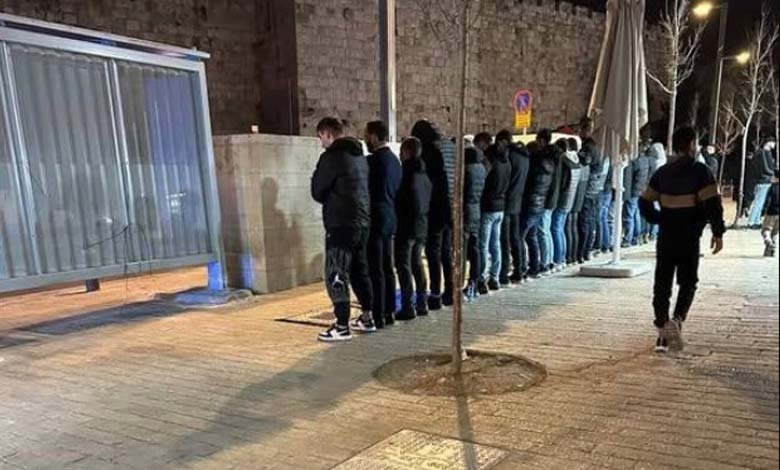
With entry to the mosque restricted, many Palestinians gathered in the streets and alleys of Jerusalem’s Old City, offering prayers near the gates of the mosque.
Large groups were seen praying near gates such as Bab al-Asbat (Lions’ Gate) and Bab al-Sahira, as Israeli security forces reportedly prevented them from entering the mosque compound and set up security barriers in the surrounding areas.
Concerns Over Religious Freedom
Residents of Jerusalem (Al-Quds) have expressed concern over the prolonged closure, saying that restricting access to Al-Aqsa Mosque, especially during Ramadan, is a serious violation of religious freedom.
Many believe the restrictions are part of broader efforts to control access to the holy site based on security considerations.
Palestinians Continue Peaceful Resistance
Despite the restrictions, Palestinians have continued to gather near the mosque’s gates and surrounding streets to offer prayers and show their attachment to the holy site.
Observers say the situation has reminded many residents of past protests, including the 2017 demonstrations at Bab al-Asbat, when Palestinians prayed at the mosque’s gates for several days until Israeli authorities removed newly installed electronic security gates.
Even with closed gates and heavy security presence, Palestinians say their commitment to worship at Al-Aqsa Mosque remains strong, expressing hope that the mosque will soon reopen fully to worshippers.