

How Iranian Embassies Turned ‘X’ into a Digital Weapon During the War

April 30, 2026 | DeccanLive.com | By: Dr. Syed Habeeb Imim Quadri
Before the ceasefire between Iran and the United States, there was a tense period when Donald Trump was pressuring Tehran to agree to a deal. He warned that if Iran refused, bridges and power stations in the country could be targeted.
Reacting to Trump’s deadline, the Iranian embassy in Zimbabwe posted humorously:
“8 PM is not suitable. Can it be changed to 1 or 2 PM, or maybe between 1 and 2 AM?”
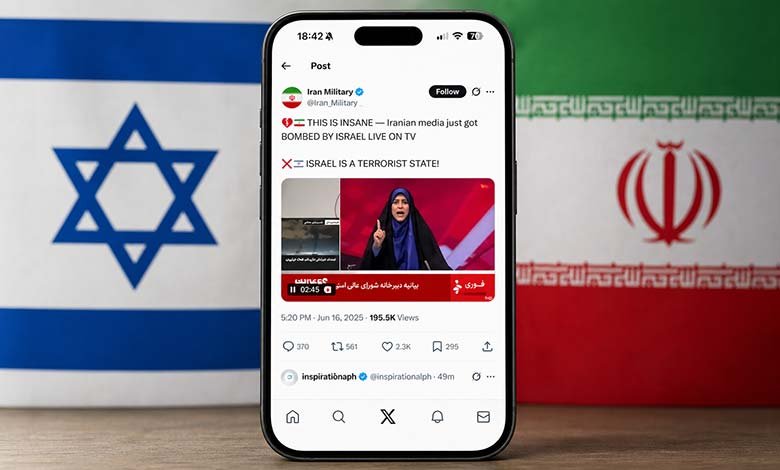
During the war between the US, Israel, and Iran-and even after the ceasefire-Iranian diplomatic accounts on X became a key tool to spread Tehran’s message and strengthen its online presence.
Instead of using traditional diplomatic language, these accounts adopted a different style. They used memes, sarcasm, and coordinated replies to promote Iran’s narrative and respond to statements from US officials.
On April 10, Donald Trump wrote on his platform Truth Social that “Iranians are better at spreading fake news and PR than fighting,” pointing toward Iran’s strong online campaign.
After the war began, Iranian embassy accounts moved away from formal language. They used humor, sarcasm, and anti-war messaging to respond to criticism and challenge dominant narratives.
This strategy may also have been aimed at improving Iran’s global image, which had been damaged after a crackdown on protests earlier in January.
Which Iranian Embassies Were Active?
Iranian diplomatic missions in countries like South Africa, Zimbabwe, India, and Japan were very active on social media during the conflict.
Iran’s Foreign Ministry is connected to around 130 embassies and consulates on X. Many of these accounts posted similar messages at the same time.
The Iranian mission in South Africa stood out in particular. It regularly shared sarcastic content and videos mocking US policies, gaining significant attention. It was also among the first to adopt this bold style.
Who Was the Target Audience?
These messages were mainly aimed at people outside Iran, not the Iranian public.
X and several other social media platforms are restricted in Iran. After the conflict began on February 28, people in Iran also faced internet disruptions.
Most of the content was in English and focused on criticizing US foreign policy. It targeted anti-war groups and certain sections of American society.
The tone was often emotional and sarcastic, likely designed to attract younger audiences who are already critical of US policies.
What Kind of Content Was Shared?
Iranian embassy accounts shared content full of humor, emotions, and even AI-generated material.
They often mocked US officials, especially Donald Trump, focusing on his changing positions.
One viral theme was a US warning about the Strait of Hormuz. Iranian accounts responded sarcastically, joking about “losing the keys” to the waterway.
At the same time, some content took a serious tone. Using AI, they shared stories of victims affected by US and Israeli attacks to create emotional impact and highlight the human cost of war.
When Iran was threatened with being sent “back to the Stone Age,” these accounts responded by highlighting Iran’s ancient civilization and rich history.
As the ceasefire progressed, the messaging shifted. It began to focus on Iran’s strength and “victory,” emphasizing its global position and power.
One of the most notable posts came from the Iranian embassy in India. It featured an AI-generated image with the caption: “Bow before Iranian civilization.”
Another repeated theme was alleged links between Donald Trump and Jeffrey Epstein, presented within a broader narrative around the Epstein case.
In response to a controversial AI-generated image posted by Trump—showing himself as a savior healing a patient-Iranian accounts reacted quickly.
The Iranian embassy in Tajikistan shared a video version of this image. In it, a figure representing Jesus appears behind Trump and strikes him. The video gained over 24 million views.
Economic issues in the US were also highlighted. Some posts focused on the potential cost of war for Americans, especially rising fuel prices.
Who Else Was Involved in This Campaign?
Apart from official channels, Iranian public figures and independent content creators also played a role.
One key figure was Mohammad Bagher Ghalibaf. He posted messages in English, initially using a strong tone and memes. Later, during and after negotiations, his tone became more formal. He was also a key decision-maker during the war and later led peace talks with the US.
Animated videos in a Lego-style format also became popular. These videos went viral on X and Instagram, using simple storytelling and music to deliver anti-war and anti-US messages.
They were produced by a company called Explosive Media, which claims to be independent but shows strong alignment with Iran’s narrative.
Much of this content targeted American audiences. It included AI-generated hip-hop music and direct, provocative messaging. These posts portrayed Donald Trump negatively, blaming him for violence and accusing the US government of corruption and being influenced by Israel.
Impact of the Campaign
It is difficult to measure the exact impact of this digital campaign inside the United States. However, it is clear that at times, it managed to compete with one of the most dominant voices online-Donald Trump himself.
This shows how social media, when used creatively, can become a powerful tool in modern conflicts.