
Who Was Ayatollah Ali Khamenei? A Look at Iran’s Supreme Leader and His Influential Family

March 1, 2026 | By: Dr. Syed Habeeb Imam Quadri
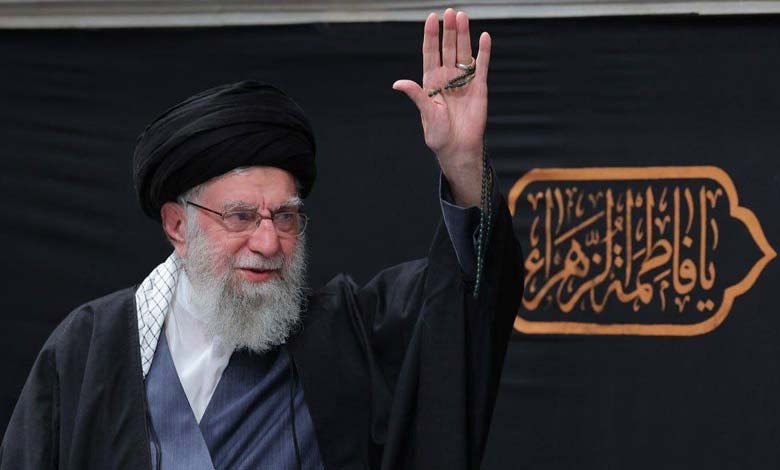
Iran’s official news agency Tasnim has confirmed that Supreme Leader Ayatollah Syed Ali Khamenei was killed in recent US-Israeli strikes. Earlier, US President Donald Trump had claimed that Khamenei died on the first day of the joint attacks.
Khamenei was the second Supreme Leader of Iran after the 1979 Islamic Revolution. He took over the position in 1989 following the death of Ayatollah Ruhollah Khomeini. For decades, he remained the most powerful figure in Iran’s political system.
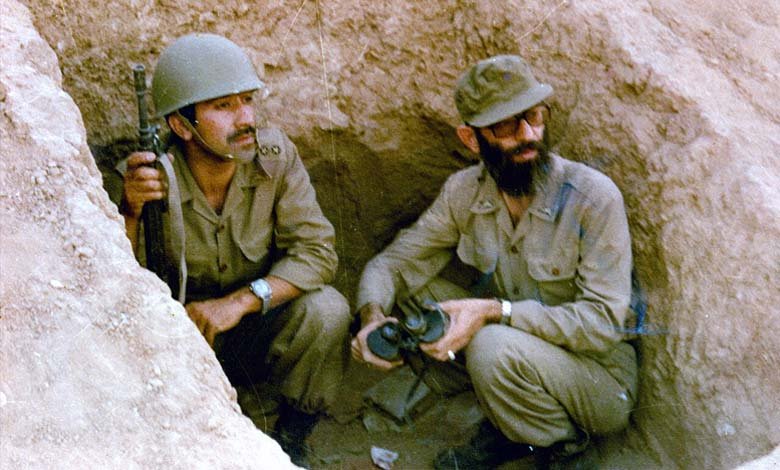
Iran’s Most Powerful Leader
As Supreme Leader, Khamenei had the final say in all major government matters. He had the authority to veto decisions, influence elections, and appoint key officials. He was also the head of state and Commander-in-Chief of the armed forces.
Although Iranian presidents often made international headlines, the real power in the country remained with Khamenei.
Born in 1939 in the holy city of Mashhad into a religious family, Khamenei was the second of eight children. His father was a Shia cleric. He received religious education from a young age and became qualified as a cleric at just 11 years old.
Like many clerics of his time, his work was both religious and political. He openly criticized the Shah of Iran and was arrested six times by the Shah’s secret police. He also faced imprisonment and torture.
After the 1979 Islamic Revolution, Khomeini appointed him as Tehran’s Friday prayer leader. In 1981, Khamenei was elected President of Iran. After Khomeini’s death in 1989, religious leaders chose him as Supreme Leader.
He rarely traveled outside Iran and lived a simple life in a central Tehran compound with his wife. It is said that he enjoyed gardening and poetry. Following an assassination attempt in the 1980s, he lost the use of his right arm.
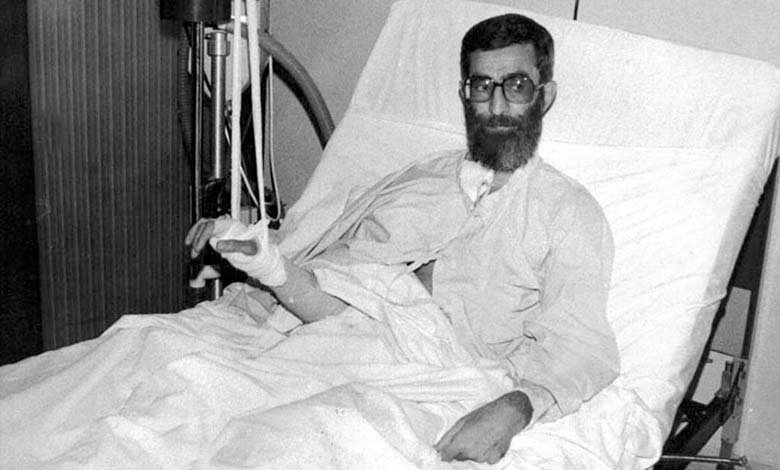
Khamenei’s Family and Influence
Khamenei and his wife Mansoureh Khojasteh Bagherzadeh had six children — four sons and two daughters. Reports say one of his daughters and a son-in-law were also killed in the recent attack.
The Khamenei family generally stayed away from media attention. Official information about their private lives has always been limited.
Among his children, his second son Mojtaba Khamenei is considered the most influential. Educated at Tehran’s Alavi High School, Mojtaba later studied religious education in Qom. Over the years, his influence reportedly grew within Iran’s political and religious circles.
In 2004, he was publicly accused by presidential candidate Mehdi Karroubi of supporting Mahmoud Ahmadinejad behind the scenes. Since the 2010s, Mojtaba has been seen as one of the powerful figures in Iran. Some reports suggested he could be a possible successor to his father, although officials have denied this.
Khamenei’s eldest son, Mostafa Khamenei, and Mojtaba both served on the frontlines during the Iran-Iraq War in the 1980s.
His third son, Masoud Khamenei, largely stayed away from politics. He previously headed an office responsible for preserving and publishing his father’s works and biography.
The youngest son, Meysam Khamenei, is also a cleric and has worked alongside Masoud in managing their father’s publications.
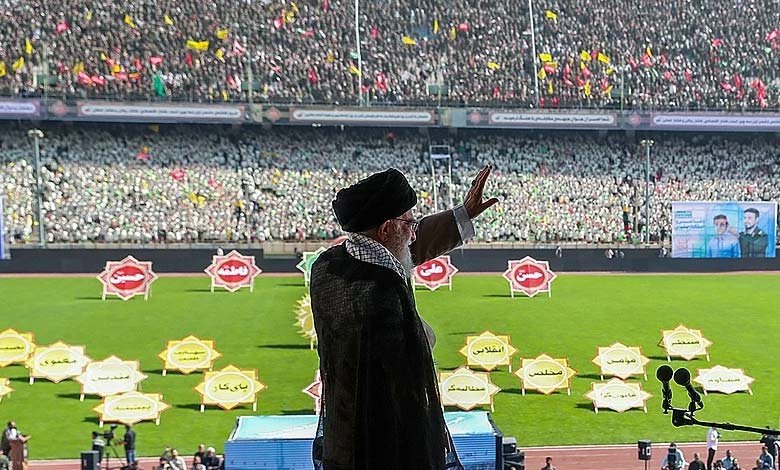
Khamenei’s Daughters
Very little is publicly known about Khamenei’s daughters, Boshra and Hoda. Both were born after the 1979 Islamic Revolution.
Boshra is married to Mohammad Javad Golpayegani, whose father serves as Chief of Staff in the Supreme Leader’s office. Hoda is married to Mesbaholhoda Bagheri Kani, who is associated with Imam Sadeq University.
A Turning Point for Iran
Khamenei’s death marks a major turning point in Iran’s modern history. As the country waits for an official announcement about his successor, attention is now focused on how leadership transition will unfold and what it means for Iran’s future.